

In today’s fast-paced world, women often find themselves juggling multiple responsibilities, from work and family to social obligations and self-care. Amidst all this, it can be easy to neglect one crucial aspect of overall health: hormone balance. Hormones play a vital role in regulating various bodily functions, from metabolism and mood to reproductive health and overall well-being. As such, maintaining optimal hormone levels is essential for women of all ages. In this article, we will explore some practical tips and strategies to support women’s hormone health.
Understanding Women’s Hormones
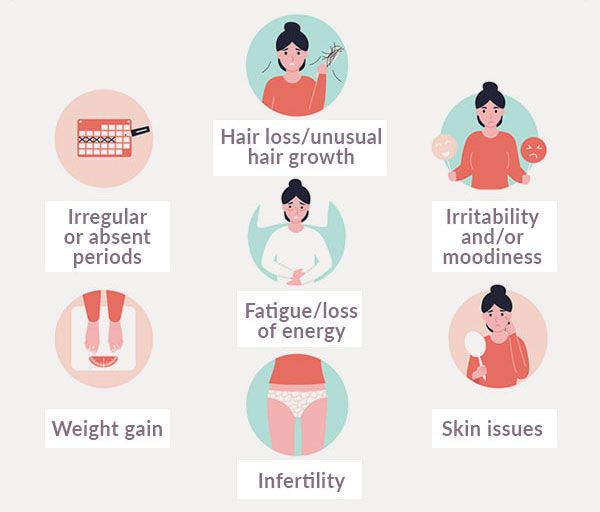
Before diving into hormone health tips, it’s important to have a basic understanding of the key hormones that affect women’s bodies. Estrogen, progesterone, and testosterone are the primary sex hormones that play a crucial role in women’s reproductive health. Imbalances in these hormones can lead to a wide range of symptoms, including irregular periods, mood swings, fatigue, weight gain, and more.
In addition to sex hormones, other hormones such as thyroid hormones, cortisol, and insulin also play a significant role in women’s overall health. Imbalances in these hormones can affect metabolism, energy levels, stress response, and blood sugar regulation.
Now that we have a better understanding of the role hormones play in women’s health, let’s explore some practical tips to support hormone balance.
1. Eat a Balanced Diet
Nutrition plays a pivotal role in hormone health. Maintaining a balanced diet rich in whole foods, lean proteins, healthy fats, fruits, and vegetables can help support hormone balance. Avoiding processed foods, sugar, and refined carbohydrates is also crucial, as these can disrupt insulin and cortisol levels, leading to hormonal imbalances.
2. Manage Stress
Chronic stress can wreak havoc on hormone balance, particularly cortisol levels. Incorporating stress management techniques such as meditation, yoga, deep breathing exercises, or simply taking time for yourself can help lower cortisol levels and support hormone balance.
3. Get Adequate Sleep
Sleep is essential for hormone regulation, particularly for the production of growth hormone and melatonin. Aim for 7-9 hours of quality sleep per night to support hormone balance and overall health.
4. Move Your Body
Regular exercise is key to maintaining hormone balance. Physical activity can help regulate insulin levels, improve mood, boost metabolism, and support overall well-being. Aim for a mix of aerobic, strength training, and flexibility exercises for optimal hormone health.
5. Prioritize Hormone Testing
If you suspect hormone imbalance, consider getting your hormones tested by a healthcare provider. Hormone testing can help identify imbalances and guide treatment options to restore hormone balance.
6. Consider Hormone Therapy
In some cases, hormone therapy may be necessary to restore hormone balance. Bioidentical hormone therapy and other hormone replacement options can help alleviate symptoms of hormone imbalance and improve overall health.
7. Stay Informed
Stay up to date on the latest research and information regarding women’s hormone health. Education is key to understanding how hormones affect your body and how to support optimal hormone balance.
In conclusion, women’s hormone health is a crucial aspect of overall well-being. By implementing these practical tips and strategies, women can support hormone balance and improve their overall health and quality of life. Prioritize nutrition, stress management, sleep, exercise, hormone testing, hormone therapy, and education to empower yourself to take control of your hormone health. Remember, hormone balance is key to feeling your best and living your healthiest life.

Related Posts