
In today’s fast-paced world, it’s easy to neglect our hormonal health. From stress and poor diet to lack of sleep and environmental toxins, there are many factors that can disrupt our delicate hormonal balance. However, taking care of our hormones is crucial for overall health and well-being, no matter what stage of life we are in. In this article, we will explore how to achieve hormonal wellness at every stage of life.
Childhood and Adolescence
During childhood and adolescence, hormonal changes are significant as the body grows and develops. It’s important for parents to encourage healthy habits such as regular exercise, balanced nutrition, and adequate sleep to support hormonal balance. Additionally, reducing exposure to endocrine-disrupting chemicals found in plastics, pesticides, and personal care products can help protect young bodies from harm.
Adulthood
As we enter adulthood, hormonal changes continue to play a significant role in our health. For women, menstrual cycles, pregnancy, and menopause can all impact hormone levels. For men, testosterone levels start to decline with age. To support hormonal wellness in adulthood, it’s essential to prioritize stress management, maintain a healthy weight, and focus on nutrient-dense foods. Regular exercise and quality sleep are also crucial for hormone balance.
Menopause and Andropause
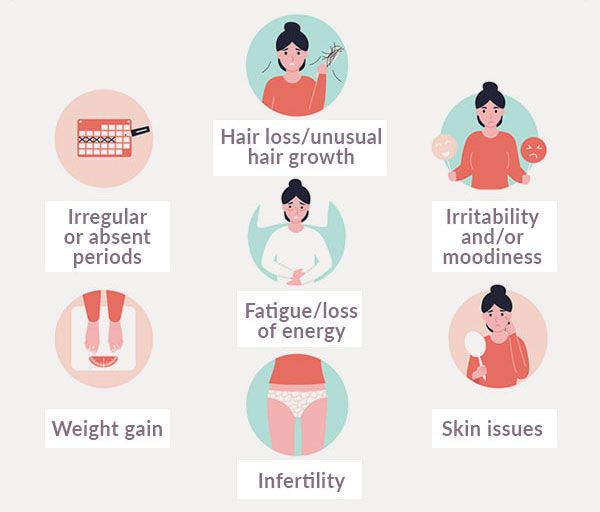
Menopause and andropause are natural life stages that come with their own hormonal challenges. For women experiencing menopause, hormonal fluctuations can lead to symptoms such as hot flashes, mood swings, and weight gain. For men going through andropause, a decline in testosterone levels may result in fatigue, muscle loss, and decreased libido. Hormone replacement therapy and lifestyle changes can help alleviate symptoms and support hormonal balance during these transitional phases.
Golden Years
As we age, hormonal changes continue to impact our health and well-being. For both men and women, declining hormone levels can contribute to issues such as bone loss, memory problems, and cardiovascular disease. To promote hormonal wellness in the golden years, it’s important to focus on a nutrient-rich diet, regular exercise, and stress management. Hormone replacement therapy may also be beneficial for some individuals to maintain hormone balance and support overall health.
Conclusion
Regardless of our age or stage of life, hormonal wellness is essential for overall health and well-being. By prioritizing healthy habits such as regular exercise, balanced nutrition, quality sleep, and stress management, we can support our hormones and promote optimal health. It’s important to be mindful of the impact of lifestyle factors and environmental toxins on hormone balance and take proactive steps to protect our hormonal health at every stage of life.
Remember, hormonal wellness is a journey, not a destination. By making small changes and choices every day, we can support our hormones and enjoy vibrant health at every stage of life.

Related Posts