
As women, we experience a variety of hormonal changes throughout our lives. From puberty to menopause, our hormones play a crucial role in our physical and emotional well-being. Understanding these changes can help us navigate through different stages with ease and make informed decisions about our health.
The Menstrual Cycle
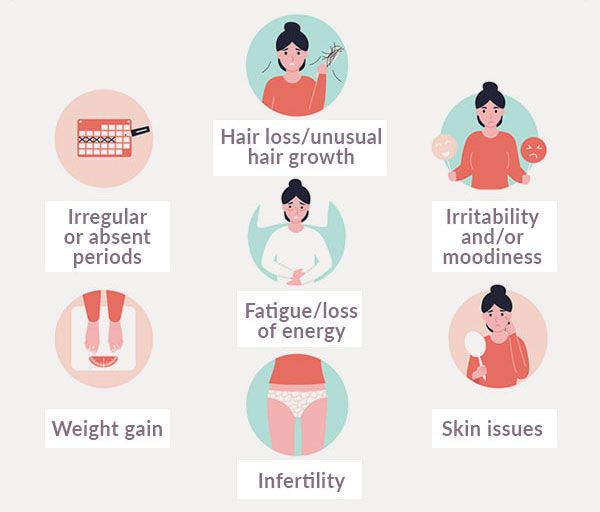
The menstrual cycle is a monthly process that involves the release of hormones, such as estrogen and progesterone, to prepare the body for pregnancy. The cycle typically lasts between 21 to 35 days, with most women experiencing a period for 3 to 7 days. Hormonal fluctuations during this time can lead to symptoms such as bloating, mood swings, and fatigue.
Puberty
Puberty is a period of rapid hormonal changes that occur during adolescence. Estrogen and progesterone levels increase, leading to the development of secondary sexual characteristics such as breast growth and the onset of menstruation. This phase can also be accompanied by mood swings, acne, and irregular periods as the body adjusts to new hormone levels.
Pregnancy
Pregnancy is a time of significant hormonal fluctuation as the body prepares for childbirth. Hormones such as human chorionic gonadotropin (hCG), estrogen, and progesterone increase to support the growth and development of the fetus. These changes can lead to symptoms like morning sickness, fatigue, and emotional sensitivity.
Menopause
Menopause marks the end of a woman’s reproductive years and is characterized by a decline in estrogen and progesterone production. This hormonal shift can lead to symptoms like hot flashes, night sweats, mood swings, and vaginal dryness. Hormone replacement therapy may be recommended to alleviate these symptoms and support overall health during this transitional period.
Managing Hormonal Changes
There are several ways to manage hormonal changes and support overall well-being. Eating a balanced diet, getting regular exercise, and practicing stress-reducing activities like yoga or meditation can help regulate hormone levels and reduce symptoms. In some cases, hormonal therapy or medications may be prescribed to address specific concerns.
Conclusion
Understanding hormonal changes in women is essential for maintaining health and well-being throughout different life stages. By being aware of how hormones impact our bodies and emotions, we can make informed choices to support our overall wellness. Whether through natural remedies, lifestyle adjustments, or medical interventions, there are various options available to address hormonal imbalances and ensure a happier, healthier life.
Remember, it’s always important to consult a healthcare provider for personalized advice and guidance on managing hormonal changes effectively.

Related Posts