

As women, our bodies go through various hormonal changes throughout our lives. These changes can have a significant impact on our overall health and well-being. One way to support hormone balance and health is through a proper diet.
Understanding Hormones
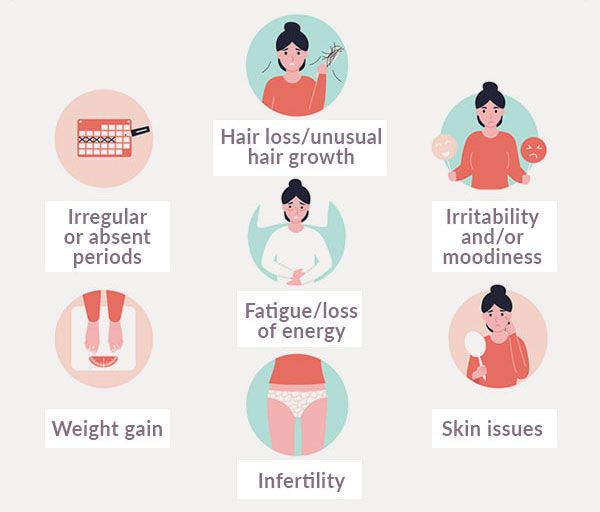
Hormones are chemical messengers that regulate numerous bodily functions, including metabolism, mood, and reproductive health. Imbalances in hormones can lead to a variety of symptoms such as fatigue, weight gain, mood swings, and menstrual irregularities.
The Role of Diet in Hormone Health
What we eat plays a crucial role in maintaining hormone balance. A diet rich in nutrient-dense foods can support the production and regulation of hormones in the body. Here are some key dietary tips for promoting hormone health:
1. Balance Macronutrients
Include a balance of carbohydrates, proteins, and fats in your diet. Each macronutrient plays a vital role in hormone production and regulation. Aim to include a variety of whole foods such as fruits, vegetables, lean proteins, and healthy fats in your meals.
2. Support Gut Health
The gut plays a significant role in hormone regulation. Include probiotic-rich foods such as yogurt, kefir, and fermented vegetables in your diet to support a healthy gut microbiome. Fiber-rich foods like whole grains, legumes, and fruits can also promote gut health.
3. Choose Hormone-Balancing Foods
Some foods have been shown to support hormone balance in women. Include foods rich in omega-3 fatty acids such as salmon, flaxseeds, and walnuts. Additionally, cruciferous vegetables like broccoli, cauliflower, and Brussels sprouts can help in estrogen metabolism.
Supplements for Hormone Health
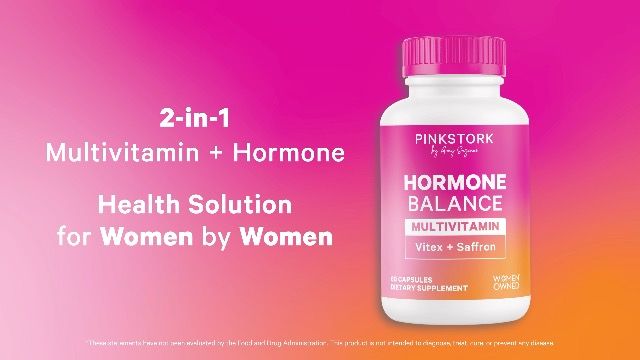
In addition to a balanced diet, certain supplements can also support hormone health in women. Consult with a healthcare provider before adding any supplements to your regimen. Some common supplements for hormone health include:
Vitamin D
Magnesium
Omega-3 fatty acids
Adaptogenic herbs like ashwagandha
Conclusion
Supporting hormone health through diet is essential for overall well-being in women. By incorporating nutrient-dense foods, supporting gut health, and choosing hormone-balancing foods, you can optimize hormone balance and potentially reduce symptoms of hormonal imbalances. Remember to consult with a healthcare provider before making any significant changes to your diet or lifestyle.
References:
1. https://www.healthline.com/nutrition/best-diet-for-hormone-balance#7.-Consider-supplements
2. https://www.hormone.org/your-health-and-hormones/glands-and-hormones-a-to-z
Disclaimer:
This article is for informational purposes only and is not a substitute for professional medical advice. It is always recommended to consult with a healthcare provider before making any dietary or lifestyle changes.

Related Posts