
Proper nutrition is essential for overall health and well-being, and women have unique nutritional needs that must be met in order to thrive. From maintaining hormonal balance to supporting reproductive health, a balanced and nutrient-rich diet is key to promoting better health outcomes for women. In this guide, we will explore the specific nutritional needs of women and provide tips on how to optimize your diet for better health.
The Importance of Nutrition for Women
Women’s bodies have different nutritional requirements than men’s due to factors such as hormonal fluctuations, menstrual cycles, pregnancy, and menopause. These factors can impact a woman’s nutritional needs and make it crucial for them to pay attention to what they eat in order to support their overall health.
Key Nutrients for Women
There are several key nutrients that are especially important for women’s health. These nutrients include:
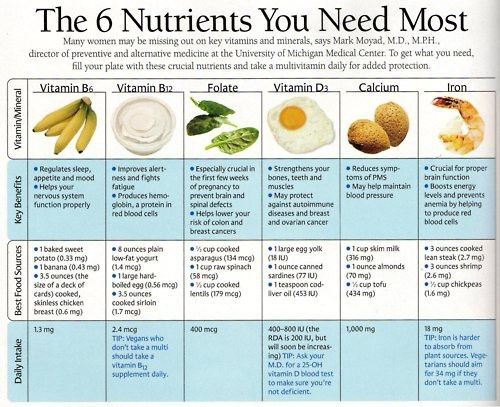
Iron: Women are at higher risk for iron deficiency due to blood loss during menstruation. Iron is crucial for healthy red blood cell production and energy levels.
Calcium: Women are at higher risk for osteoporosis, making calcium essential for bone health and strength.
Folate: Folate is important for reproductive health and can help prevent birth defects during pregnancy.
Omega-3 fatty acids: Omega-3 fatty acids are important for heart health, brain function, and reducing inflammation.
Vitamin D: Vitamin D is essential for bone health, mood regulation, and immune function.
Tips for Better Nutrition
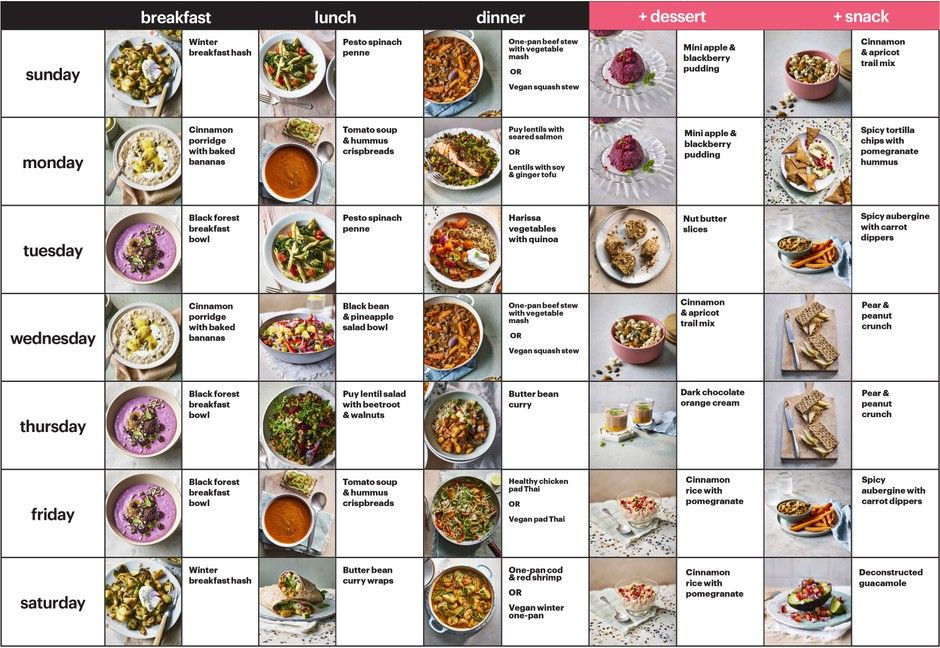
Eat a variety of fruits and vegetables: Fruits and vegetables are packed with vitamins, minerals, and antioxidants that can help support your immune system and overall health.
Choose whole grains: Whole grains are an excellent source of fiber, which can help with digestion and weight management.
Include lean protein sources: Lean proteins like chicken, fish, tofu, and legumes can help support muscle growth and repair.
Limit processed foods: Processed foods are often high in sugar, salt, and unhealthy fats, which can negatively impact your health.
Stay hydrated: Drink plenty of water throughout the day to help keep your body hydrated and functioning properly.
Supplements for Women
In addition to a balanced diet, some women may benefit from taking supplements to help meet their nutritional needs. Common supplements for women include:
Multivitamin: A multivitamin can help fill in any nutritional gaps in your diet.
Omega-3 fatty acids: If you don’t eat a lot of fish, an omega-3 supplement can help ensure you are getting enough of these essential fats.
Calcium and Vitamin D: These supplements can help support bone health, especially for women at risk for osteoporosis.
Conclusion
Proper nutrition is essential for women’s health, and by paying attention to your diet and incorporating nutrient-rich foods and supplements, you can support your overall well-being. Remember to consult with a healthcare provider or registered dietitian before making any major changes to your diet or supplement regimen to ensure you are meeting your unique nutritional needs. By prioritizing your nutrition, you can promote better health outcomes and live your best life.

Related Posts