
As women, it is important to prioritize our health and well-being by consuming essential nutrients that support our unique physiological needs. A balanced diet rich in vitamins, minerals, and other essential nutrients is crucial for maintaining overall health and vitality. In this article, we will discuss the essential nutrients that every woman should include in her diet to promote optimal health.
1. Iron
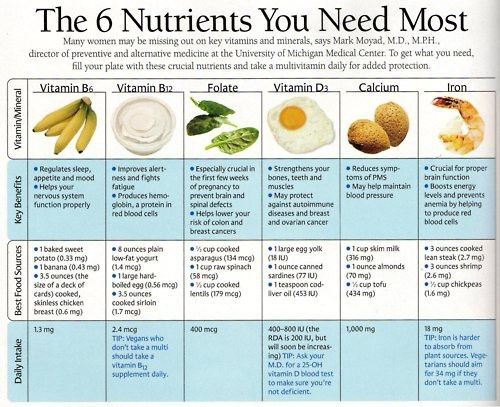
Iron is a critical nutrient for women as they are more prone to iron deficiency due to menstruation and pregnancy. Iron plays a vital role in the production of red blood cells, which are responsible for carrying oxygen throughout the body. Women should aim to include iron-rich foods such as lean meats, poultry, fish, legumes, and leafy green vegetables in their diet to prevent iron deficiency anemia.
2. Calcium
Calcium is essential for strong bones and teeth, especially for women who are at a higher risk of osteoporosis as they age. Dairy products such as milk, cheese, and yogurt are excellent sources of calcium, but women can also opt for fortified plant-based alternatives like almond milk or tofu. It is important to consume an adequate amount of calcium to maintain bone health and prevent fractures.
3. Vitamin D
Vitamin D is crucial for calcium absorption and bone health. Women who have limited sun exposure or follow a vegan diet may be at risk of vitamin D deficiency. Fatty fish, egg yolks, and fortified foods like cereals and orange juice are good sources of vitamin D. Consider taking a vitamin D supplement if you are not getting enough through your diet or sun exposure.
4. Omega-3 Fatty Acids
Omega-3 fatty acids are essential for heart health, brain function, and reducing inflammation in the body. Fatty fish like salmon, mackerel, and sardines are rich sources of omega-3s, but women can also incorporate plant-based sources like flaxseeds, chia seeds, and walnuts into their diet. Omega-3 supplements may be beneficial for those who do not consume enough fatty fish or plant-based sources.
5. Folate
Folate, also known as vitamin B9, is essential for women of childbearing age as it plays a crucial role in fetal development and prevents neural tube defects during pregnancy. Leafy green vegetables, citrus fruits, beans, and fortified grains are excellent sources of folate. Women who are pregnant or planning to conceive should consider taking a folic acid supplement to ensure an adequate intake.
6. Magnesium
Magnesium is a vital mineral that supports hundreds of biochemical reactions in the body, including muscle function, nerve function, and blood sugar control. Nuts, seeds, whole grains, and leafy green vegetables are rich sources of magnesium. Incorporating magnesium-rich foods into your diet can help prevent deficiencies and support overall health and well-being.
7. Vitamin B12
Vitamin B12 is essential for nerve function, red blood cell production, and DNA synthesis. Animal products like meat, poultry, fish, and dairy are the primary sources of vitamin B12, so women following a vegetarian or vegan diet may be at risk of deficiency. Consider taking a vitamin B12 supplement or consuming fortified foods to ensure an adequate intake of this important nutrient.
By prioritizing a diet rich in these essential nutrients, women can support their overall health and well-being. It is important to consult with a healthcare provider or nutritionist to determine the appropriate intake of these nutrients based on individual needs and health conditions. Remember, a balanced diet, regular physical activity, and adequate hydration are key components of a healthy lifestyle for women of all ages.
Stay healthy, stay vibrant!

Related Posts