
When it comes to maintaining optimal health and wellness, nutrition plays a crucial role. For women, having a well-rounded and balanced diet is essential for overall well-being and longevity. In this comprehensive handbook, we will cover everything you need to know about women’s nutrition, including key nutrients, dietary guidelines, and tips for creating a healthy eating plan.
The Importance of Nutrition for Women
Proper nutrition is vital for women of all ages, as it can help prevent chronic diseases, support reproductive health, and boost energy levels. Women have unique nutritional needs due to factors such as menstruation, pregnancy, and menopause, making it important to pay attention to dietary choices to ensure optimal health.
Key Nutrients for Women
There are several key nutrients that women need to focus on in their diets to support overall health. These include:
Calcium: Crucial for bone health and preventing osteoporosis
Iron: Important for red blood cell production and preventing anemia
Folate: Essential for fetal development during pregnancy
Omega-3 fatty acids: Support heart health and reduce inflammation
Vitamin D: Helps with calcium absorption and supports immune function
Dietary Guidelines for Women
Following dietary guidelines can help women meet their nutritional needs and maintain a healthy weight. The following tips can help guide women in making healthy food choices:
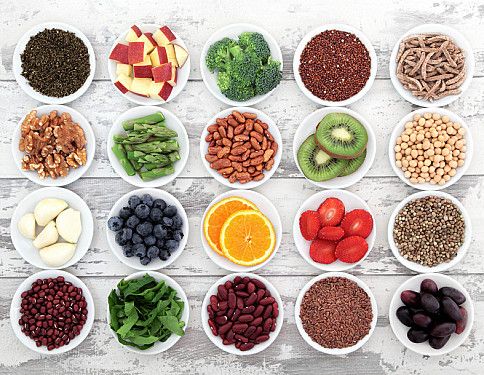
Eat a variety of fruits and vegetables to ensure a wide range of nutrients
Choose whole grains over refined grains for added fiber and nutrients
Incorporate lean proteins such as poultry, fish, and legumes into your diet
Limit added sugars and saturated fats for better heart health
Stay hydrated by drinking plenty of water throughout the day
Creating a Healthy Eating Plan
Creating a healthy eating plan can help women ensure they are getting the nutrients they need to support their health goals. Consider the following tips when planning your meals:
Start the day with a balanced breakfast that includes protein, whole grains, and fruits or vegetables
Pack healthy snacks such as nuts, fruits, or yogurt to curb cravings throughout the day
Plan your meals ahead of time to avoid relying on unhealthy convenience foods
Listen to your body’s hunger cues and stop eating when you feel full
Seek advice from a registered dietitian or nutritionist for personalized meal planning
Conclusion
Overall, women’s nutrition is a vital aspect of overall health and wellness. By paying attention to key nutrients, following dietary guidelines, and creating a healthy eating plan, women can support their bodies and prevent chronic diseases. Remember to listen to your body’s cues and make adjustments to your diet as needed to ensure optimal health and well-being.
For more information on women’s nutrition, consult with a healthcare provider or registered dietitian to create a personalized plan that meets your individual needs and goals.

Related Posts