
As a woman, taking care of your gynecological health is crucial for your overall well-being. Regular check-ups, screenings, and maintaining good hygiene practices are key to preventing and detecting any potential issues early on.
Regular Check-ups
Scheduling regular visits to your gynecologist is the first step in maintaining good gynecological health. These visits usually involve a pelvic exam, pap smear, and breast exam. Your doctor can also provide valuable information on birth control options, sexual health, and menopause.
Screenings
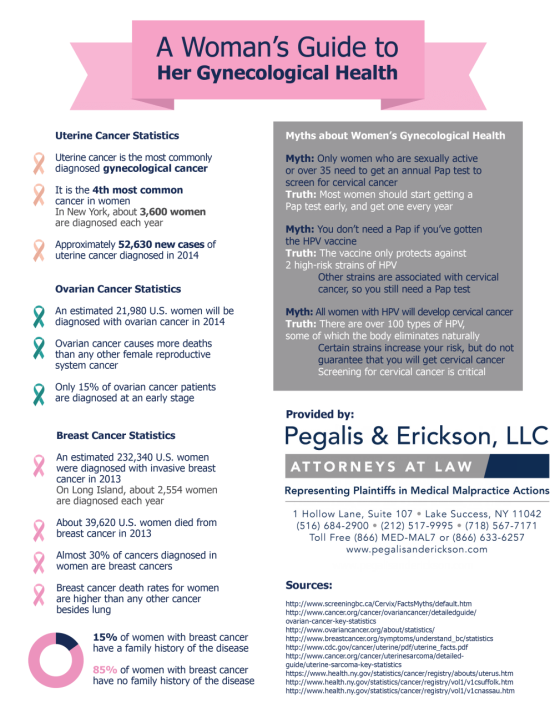
Screenings such as pap smears and HPV tests are essential for detecting any abnormalities in the cervix that could lead to cervical cancer. Mammograms are also important for detecting breast cancer early on. Be sure to follow your doctor’s recommendations for when to start these screenings and how often to have them done.
Hygiene Practices
Maintaining good hygiene practices can help prevent infections and maintain a healthy vaginal ecosystem. Be sure to wash your genital area with mild soap and water, avoid douching, and wear breathable cotton underwear. It’s also important to change tampons and pads regularly during menstruation to prevent bacterial overgrowth.
Symptoms to Watch Out For
It’s important to pay attention to any changes or symptoms in your gynecological health. Irregular periods, abnormal vaginal discharge, unusual pain, or discomfort during intercourse could be signs of an underlying issue. If you experience any of these symptoms, be sure to consult your doctor for further evaluation.
Healthy Lifestyle Choices
Eating a balanced diet, exercising regularly, and maintaining a healthy weight can all contribute to good gynecological health. Smoking and excessive alcohol consumption can have negative effects on your reproductive system, so it’s best to avoid or limit these habits.
Seeking Help
If you have any concerns or questions about your gynecological health, don’t hesitate to reach out to your doctor. It’s important to address any issues early on to prevent further complications down the line.
Remember, taking care of your gynecological health is an essential part of being a woman. By following these guidelines and staying proactive about your health, you can ensure that you are taking the necessary steps to live a healthy and fulfilling life. Schedule your regular check-ups, stay on top of screenings, maintain good hygiene practices, and seek help when needed. Your body will thank you for it in the long run.

Related Posts