
As a woman, it is essential to prioritize your health and well-being by following a balanced and nutritious eating plan. A healthy diet not only helps you maintain a healthy weight but also reduces the risk of chronic diseases and enhances overall quality of life. In this article, we will discuss the key components of a healthy eating plan tailored specifically for women.
Calorie Intake
One of the most important aspects of a healthy eating plan for women is managing calorie intake. The number of calories a woman needs varies based on factors such as age, weight, activity level, and overall health. It is recommended that women aim to consume a balanced diet that provides the necessary nutrients while also supporting weight management goals. Consulting with a healthcare provider or a nutritionist can help determine the appropriate calorie intake for individual needs.
Macronutrients
Macronutrients, including carbohydrates, proteins, and fats, are essential for maintaining optimal health and energy levels. A well-rounded diet should include a balance of these macronutrients to ensure proper functioning of the body. Carbohydrates provide energy, proteins support muscle health and repair, and fats are necessary for hormone production and nutrient absorption. Including a variety of foods from each macronutrient category can help women meet their nutritional needs.
Vitamins and Minerals
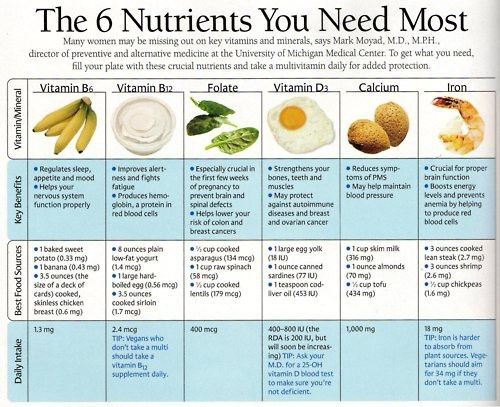
Women have unique nutritional requirements, including higher needs for certain vitamins and minerals such as iron, calcium, and folic acid. Iron is essential for healthy blood production, calcium is important for bone health, and folic acid is crucial for fetal development during pregnancy. Including a variety of fruits, vegetables, whole grains, and lean proteins can help women meet their daily vitamin and mineral needs.
Hydration
Staying hydrated is key to maintaining overall health and well-being. Women should aim to drink at least 8-10 cups of water per day to support proper hydration and nutrient absorption. Additionally, consuming hydrating foods such as fruits and vegetables can contribute to overall fluid intake. Avoiding sugary beverages and excessive caffeine can also help women stay properly hydrated throughout the day.
Meal Planning and Preparation
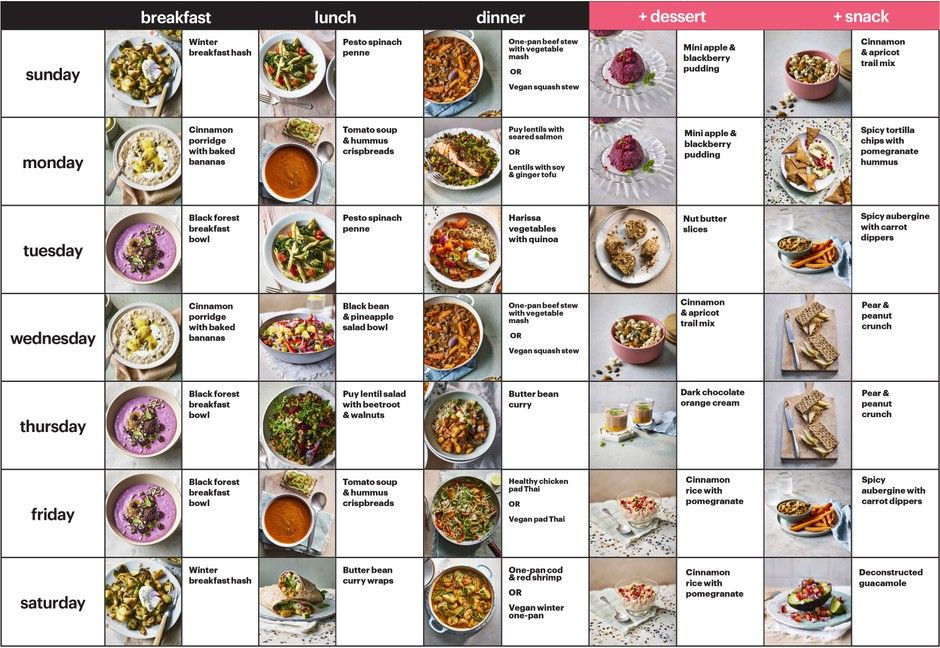
Meal planning and preparation are essential components of a healthy eating plan for women. By planning meals in advance, women can ensure they have nutritious options available throughout the week. Meal prepping can also help save time and money while promoting healthier eating habits. Including a variety of foods from different food groups can help women meet their daily nutritional needs and avoid relying on unhealthy convenience foods.
Healthy Snacking
Snacking can be a part of a healthy eating plan for women when done mindfully. Choosing nutrient-dense snacks such as fruits, nuts, and yogurt can help women stay energized throughout the day. Avoiding processed snacks high in sugar and unhealthy fats can contribute to overall health and weight management goals. Incorporating healthy snacks into the daily eating plan can prevent excessive hunger and overeating at meal times.
Listening to Your Body
Ultimately, the key to a healthy eating plan for women is listening to your body and making choices that align with your individual needs and preferences. Paying attention to hunger cues, satiety levels, and food preferences can help women make informed choices that support their overall well-being. Consulting with a healthcare provider or a nutritionist can provide personalized guidance and support for creating a healthy eating plan that works for you.
By following a balanced and nutritious eating plan tailored specifically for women, you can prioritize your health and well-being while enjoying a variety of delicious and satisfying foods. Remember to consult with a healthcare provider or a nutritionist to ensure you are meeting your individual nutritional needs and making choices that support your overall health goals.

Related Posts