

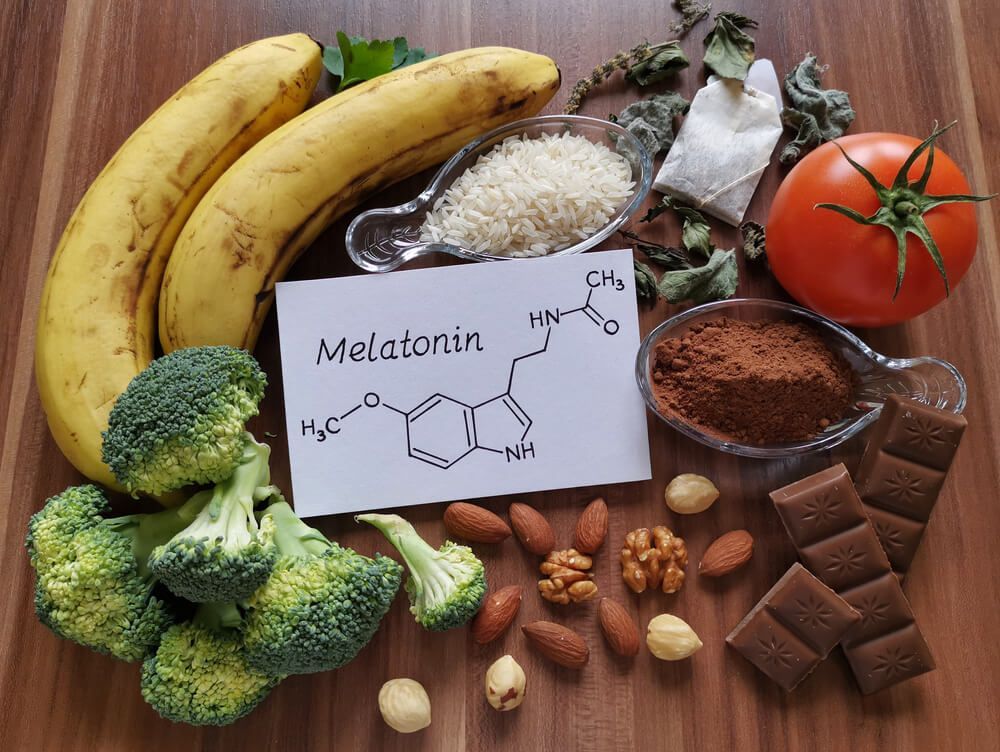
Menopause is a natural stage of life that every woman goes through, typically occurring between the ages of 45 and 55. During menopause, the body undergoes hormonal changes that can lead to a variety of symptoms such as hot flashes, night sweats, mood swings, and insomnia. While some women may opt for hormone replacement therapy to manage these symptoms, there are also natural remedies and lifestyle changes that can help alleviate menopausal discomfort.
Healthy Diet and Exercise
One of the most effective ways to manage menopause symptoms naturally is by maintaining a healthy diet and regular exercise routine. Eating a diet rich in fruits, vegetables, whole grains, and lean protein can help support overall health and wellness during menopause. In addition, regular exercise such as walking, biking, or yoga can help reduce stress, improve mood, and alleviate symptoms like hot flashes and insomnia.
Herbal Remedies
There are a variety of herbs and supplements that are commonly used to manage menopause symptoms naturally. Some of the most popular options include black cohosh, red clover, and soy isoflavones. These herbal remedies are believed to help balance hormone levels and reduce symptoms like hot flashes and night sweats. It is important to consult with a healthcare provider before starting any new herbal remedy to ensure it is safe and effective for you.
Stress Reduction Techniques
Stress can exacerbate menopause symptoms, so it is important to incorporate stress reduction techniques into your daily routine. Practices such as meditation, deep breathing exercises, and mindfulness can help calm the mind and body, reducing symptoms like mood swings and insomnia. Finding time for self-care activities like massage, yoga, or journaling can also help manage stress and improve overall well-being during menopause.
Quality Sleep
One of the most common complaints during menopause is difficulty sleeping. Hormonal changes can disrupt the sleep cycle, leading to insomnia and fatigue. Creating a relaxing bedtime routine, limiting caffeine and alcohol intake, and creating a cool and dark sleep environment can help improve the quality of sleep during menopause. If sleep disturbances persist, it is important to speak with a healthcare provider to explore potential solutions.
Supportive Relationships
Menopause can be a challenging and emotional time for many women, so it is important to lean on supportive relationships for comfort and understanding. Talking to friends, family, or a therapist about your menopause experience can help alleviate feelings of isolation and anxiety. Joining a support group or online community for menopausal women can also provide valuable insights and resources for managing symptoms naturally.
Conclusion
While menopause is a natural phase of life that every woman experiences, it does not have to be a time of discomfort and distress. By incorporating healthy lifestyle habits, herbal remedies, stress reduction techniques, quality sleep practices, and supportive relationships into your daily routine, you can effectively manage menopause symptoms naturally. It is important to listen to your body, prioritize self-care, and consult with a healthcare provider if you have concerns or questions about managing menopause symptoms.

Related Posts