

Menopause is a natural process that all women go through as they age. It can bring about a variety of symptoms and changes to your body that can be difficult to navigate. In this comprehensive guide, we will explore everything you need to know about menopause and how to maintain your health during this stage of life.
Understanding Menopause
Menopause is the point in a woman’s life when she stops menstruating and is no longer able to conceive children. This typically occurs in your late 40s or early 50s, but can happen earlier or later for some women. Menopause is a natural part of the aging process and is caused by a decrease in estrogen production by the ovaries.
Common Symptoms
Menopause can bring about a variety of symptoms that can impact your daily life. Some common symptoms include hot flashes, night sweats, mood swings, vaginal dryness, and sleep disturbances. It is important to talk to your healthcare provider if you are experiencing severe symptoms that are affecting your quality of life.
Healthy Lifestyle Habits
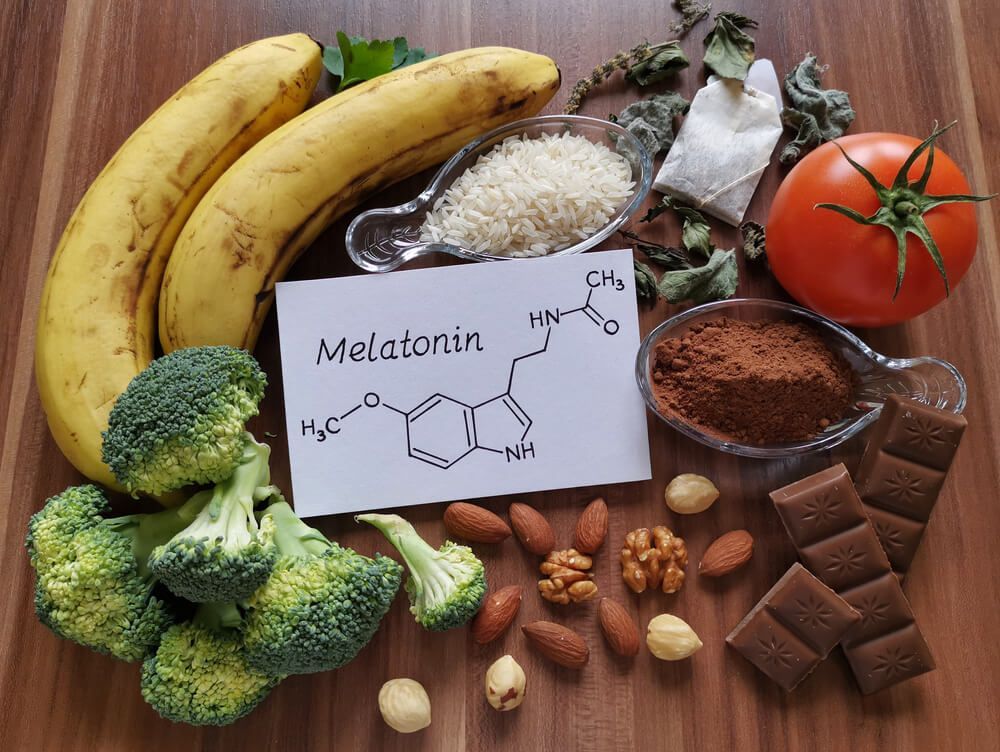
One of the best ways to manage menopause symptoms and maintain your overall health is to adopt healthy lifestyle habits. Eating a balanced diet rich in fruits, vegetables, whole grains, and lean proteins can help support your body during this transition. Regular exercise can also help alleviate symptoms like mood swings and hot flashes.
Supplements and Medications
Some women may benefit from taking supplements or medications to help manage their menopause symptoms. Vitamin D and calcium supplements can help support bone health, while hormone replacement therapy (HRT) may be recommended for some women to alleviate severe symptoms. It is important to discuss any supplements or medications with your healthcare provider before starting them.
Mental Health and Emotional Well-being
Menopause can also impact your mental health and emotional well-being. It is common for women to experience mood swings, anxiety, and depression during this time. Taking care of your mental health is just as important as your physical health. Consider talking to a therapist or counselor if you are struggling with your emotions.
Regular Health Screenings
As you age, it is important to stay on top of your regular health screenings to catch any potential issues early. This includes regular mammograms, Pap smears, and bone density tests. Your healthcare provider can help guide you on which screenings are recommended based on your age and health history.
Support and Community
Menopause can be a challenging time for many women, but you are not alone. Connecting with other women going through menopause can provide support and a sense of community. Consider joining a support group or online forum to share your experiences and learn from others.
Conclusion
Menopause is a natural phase of life that all women go through. By understanding the changes happening in your body and taking steps to support your health, you can navigate this transition with grace and ease. Remember to prioritize your physical and mental well-being during this time and reach out to your healthcare provider for any concerns or questions you may have.

Related Posts