

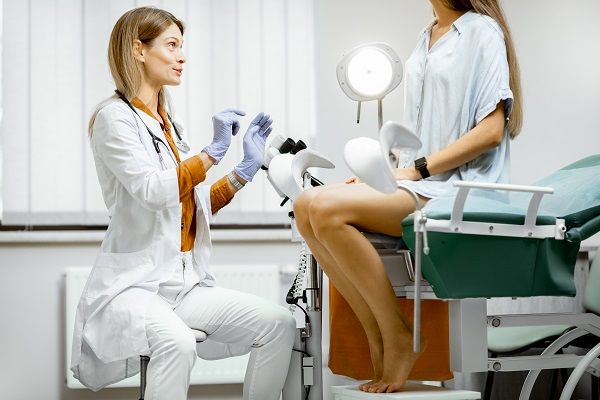
In today’s fast-paced world, women often put their health on the back burner as they juggle work, family, and other responsibilities. However, one aspect of health that should never be neglected is gynecological care. Regular check-ups with a gynecologist are crucial for maintaining overall health and preventing serious issues down the line.
What is Preventive Gynecological Care?
Preventive gynecological care refers to the routine screenings and exams that women should undergo to maintain optimal reproductive and overall health. These include Pap smears, mammograms, pelvic exams, and screenings for sexually transmitted infections. By catching potential issues early, women can prevent more serious complications in the future.
Benefits of Preventive Gynecological Care
– Early detection of gynecological issues such as cervical cancer, ovarian cancer, and uterine fibroids
– Prevention of sexually transmitted infections through regular screenings
– Maintenance of reproductive health and fertility
– Monitoring of hormone levels and menstrual cycle irregularities
– Education on contraception and family planning options
When to Start Gynecological Care
It is recommended that women start seeing a gynecologist for annual check-ups starting in their late teens or early twenties, or when they become sexually active. These early visits help establish a baseline for future exams and screenings. Women should continue to see their gynecologist annually, or as recommended based on their individual health needs.
Choosing the Right Gynecologist
Finding the right gynecologist is crucial for ensuring comfortable and effective care. Look for a provider who is board-certified, experienced, and receives positive reviews from patients. Additionally, consider factors such as location, office hours, and insurance coverage when selecting a gynecologist.
How to Prepare for a Gynecological Exam
Before your gynecological exam, it’s important to be prepared and informed. Make a list of any questions or concerns you have, gather your medical history including past surgeries and medications, and be ready to discuss any changes in your menstrual cycle or reproductive health. It’s also helpful to wear comfortable clothing and bring a list of current medications.
Conclusion
Preventive gynecological care is essential for women of all ages to maintain optimal reproductive and overall health. By scheduling regular check-ups with a gynecologist, women can detect and prevent serious health issues before they escalate. Remember, your health is worth prioritizing, so don’t put off scheduling your next gynecological exam.

Related Posts