
Women’s gynecological health is a crucial aspect of their overall well-being. From adolescence to menopause and beyond, women face various gynecological issues that require regular monitoring and care. Understanding the female reproductive system and common gynecological conditions can help women make informed decisions about their health.
The Female Reproductive System
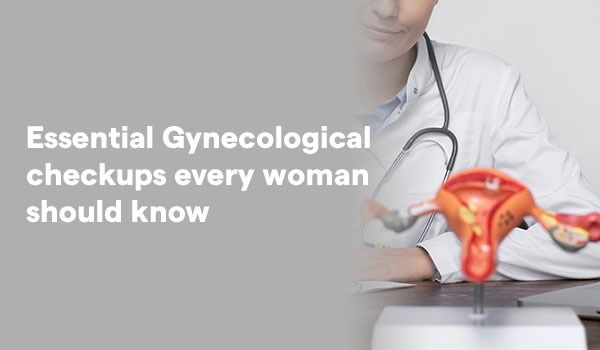
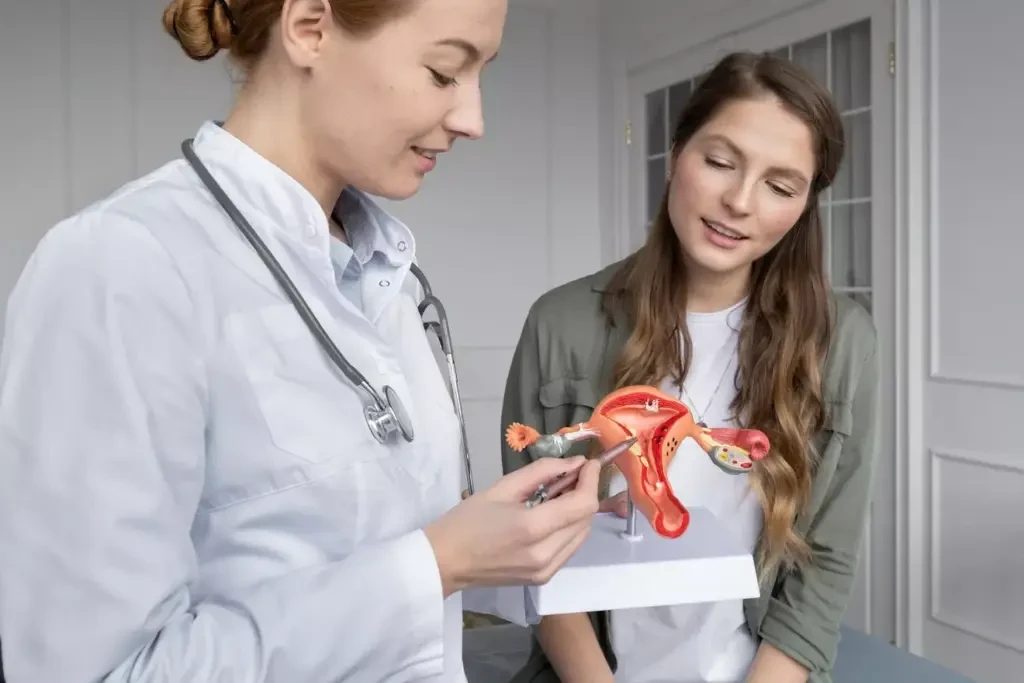
The female reproductive system is complex and plays a vital role in a woman’s overall health. It includes organs such as the ovaries, fallopian tubes, uterus, cervix, and vagina. The ovaries produce eggs and hormones, while the fallopian tubes transport the eggs to the uterus. The uterus is where a fertilized egg implants and grows into a baby, and the cervix is the opening of the uterus that connects to the vagina.
Menstrual Cycle
The menstrual cycle is a natural process that occurs in women of reproductive age. It involves the shedding of the uterine lining (menstruation) and the release of an egg from the ovaries (ovulation). Understanding the menstrual cycle can help women track their periods and identify any irregularities that may indicate underlying gynecological issues.
Common Gynecological Conditions
1. Menstrual Disorders
Menstrual disorders are common gynecological conditions that can affect women’s quality of life. Irregular periods, heavy bleeding, and severe cramps are symptoms of menstrual disorders that may require medical attention. Treatment options for menstrual disorders include medication, hormonal therapy, and lifestyle changes.
2. Pelvic Inflammatory Disease (PID)
Pelvic inflammatory disease is an infection of the female reproductive organs, usually caused by sexually transmitted infections (STIs) such as chlamydia and gonorrhea. PID can lead to chronic pelvic pain, infertility, and ectopic pregnancy if left untreated. Early detection and prompt treatment are essential to prevent complications associated with PID.
3. Endometriosis
Endometriosis is a gynecological condition in which the tissue that lines the uterus grows outside of it, causing pain and inflammation. Endometriosis can affect women’s fertility and quality of life, and it may require surgery or hormone therapy to manage symptoms. Awareness of endometriosis symptoms and risk factors can help women seek early intervention and appropriate treatment.
Preventive Health Measures
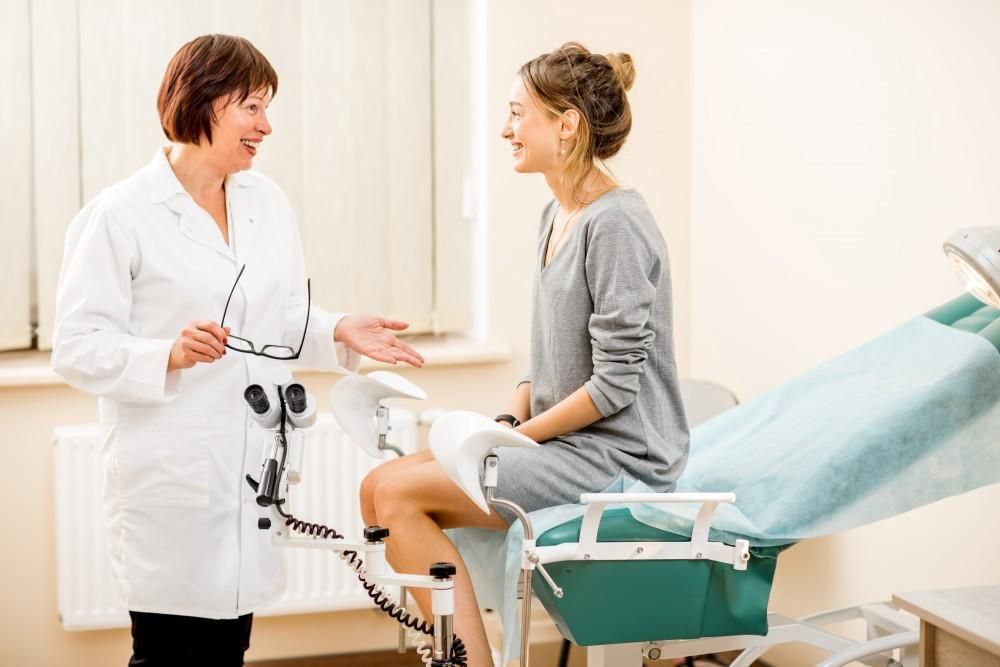
Preventive health measures are essential for maintaining women’s gynecological health. Regular gynecological exams, Pap smears, and screenings for sexually transmitted infections can help detect and prevent gynecological conditions early. Vaccinations such as the HPV vaccine and lifestyle modifications such as maintaining a healthy diet and exercising regularly can also promote women’s gynecological health.
Conclusion
Women’s gynecological health is a critical component of their overall well-being. By understanding the female reproductive system, common gynecological conditions, and preventive health measures, women can take control of their health and make informed decisions about their gynecological care. Regular gynecological exams, screenings, and lifestyle modifications are essential for maintaining optimal gynecological health throughout every stage of a woman’s life.

Related Posts